

CHRA Congress 2026 was one of those conferences that stays with you long after the sessions end. Three days of back-to-back learning, hallway conversations, big questions, and bold ideas, but also something harder to put into words: a genuine sense of community among people who care deeply about the same thing.
We left with pages of notes and something far more lasting: a renewed respect for the remarkable leaders at the centre of one of the most urgent issues facing communities across Canada.
Across every room, there was a clear mix of pressure and possibility. Housing providers are navigating real complexity, and yet the energy was not defeat. It was determination. Watching how these leaders make things work with what they have, finding ways to move forward even when the system is anything but simple, was hard not to admire.
One phrase from the congress captured it perfectly: housers get sh*t done. And we can absolutely attest to that. Here are five takeaways that stood out and why they matter for anyone leading in this space.
1. Data Is Becoming One of Housing's Most Powerful Tools
One of the strongest themes throughout CHRA was how central data is becoming, not just for reporting, but for decision-making, advocacy, and long-term planning.
The most powerful example came during the opening keynote by Dr. Andrew Boozary, a physician and founding executive director of the Gattuso Centre for Social Medicine at University Health Network. He cited the Dunn House initiative in Toronto as a striking example of what happens when housing is treated as a core part of healthcare infrastructure rather than a separate social issue. When people were given stable housing, the data showed a significant drop in hospital visits, lower healthcare costs, and improved overall outcomes. In some cases, hospital visits were reduced by as much as 75% once individuals were housed.
What made the conversation so impactful was not just the statistics. It was the growing recognition across the congress that better data changes how problems are understood and, ultimately, how decisions get made.
The message was clear: data is no longer just about reporting. It is becoming one of the sector's most important tools for improving outcomes, strengthening advocacy, and building smarter housing systems.
2. The Federal Government Is Finally Moving at Housing Speed
If you attended Housing Central in Vancouver last November like we did, you know the Build Canada Homes session was charged with skepticism. BCH had just been announced, housing providers were full of questions, and BCH answers felt like a promise no one was sure would be kept. Is the $13 billion new money? What happens to smaller builds? Will active CMHC applications be disrupted?
BCH CEO, Ana Bailão arrived at CHRA with answers and, more importantly, numbers. In just six months, over 10,600 units are now in active pipeline, another 3,000 are pending approval, and more than half of the $1 billion supportive housing commitment has already been allocated. More than 50% of proposals are incorporating modular and factory-built construction, something that was still mostly theoretical at Housing Central and is now showing up in real projects.
The tone had clearly shifted from "here is what we are building" to "here is what we have already done."
Some questions remain open. Indigenous housing gaps, what income-based affordability means in practice, and whether smaller organizations will have the capacity to keep pace are still live tensions. Ana was candid about that.
What stood out most was this: the federal government is moving on housing faster than it has in decades. The bigger question now is whether organizations have the operational capacity, partnerships, and systems required to move at the same speed.
3. Energy Efficiency Is Becoming an Operational Strategy, Not Just an Environmental One
Many housing providers can no longer afford to treat energy efficiency as a secondary consideration. As operating costs rise and housing stock ages, it is now directly tied to long-term affordability, building resilience, and operational sustainability.
The discussion at CHRA was less about environmental talking points and more about practical realities: lower utility costs, healthier living conditions, better-performing buildings, and less financial pressure over time. One statistic especially stood out: 37% of non-market housing tenants are currently living in energy poverty.
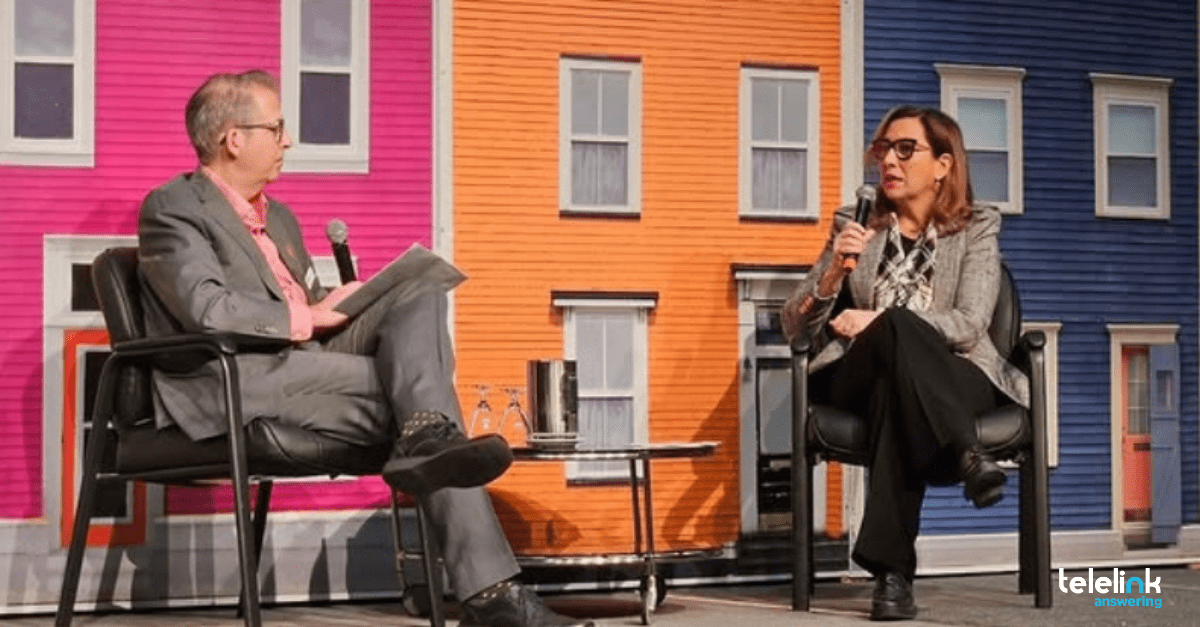
The Enbridge team also shared an observation worth sitting with: the buildings generating the highest volume of maintenance calls are often the same buildings with the weakest energy performance. That connection reframed the conversation entirely. Energy efficiency is not just about reducing emissions. It directly impacts resident comfort, building performance, and the day-to-day operational pressure housing teams carry.
4. Tenant Experience Starts at the Top, Not the Front Desk
Across multiple sessions, the conversation kept coming back to what it actually feels like to be a tenant in community housing.
Leaders spoke openly about building tenant experiences that are dignified, culturally informed, and genuinely respectful of the communities being served. Closing the gap between good intentions and consistent delivery requires more than front-line training. It requires leadership commitment.
That same principle showed up in the co-operative housing sessions. The member-governed model only works when residents feel informed, heard, and included. Communication is not just a feature of the model. It is the foundation of it.
The lesson for leaders is this: tenant experience does not maintain itself. It needs systems, regular check-ins, and someone at the leadership level who owns it. When it gets fully delegated to the front desk without those structures in place, the gap between intention and reality quietly grows.
5. Partnerships Have Moved from Strategy to Survival
This theme ran through nearly every session, but it came through sharpest in the Atlantic Connection workshop.
New Brunswick Housing Hub, Rooted from Nova Scotia, and Connection for Seniors each reflected on the past year. Different organizations, different realities, but the same conclusion: partnerships are not optional anymore. They are what keeps organizations moving when everything else is stretched.
The workshop exercise made that reality even clearer. Groups were asked to identify housing's biggest obstacles and propose solutions, with one rule: no one could mention funding. That constraint forced people to focus on the friction points that stall projects and burn out teams even when money exists. Communication gaps. Coordination challenges. Capacity limitations.
Nearly every group landed on the same issue: capacity, both inside housing organizations and on the side of funding bodies. And that is exactly why partnerships have to stop being a strategy and start being a lifeline. The organizations solving the capacity problem are the ones who are being intentional about what they carry alone and what they hand off to the right partners.
Final Reflections
Conferences like CHRA are more than industry events. They reflect where the sector is headed and what it will take to get there.
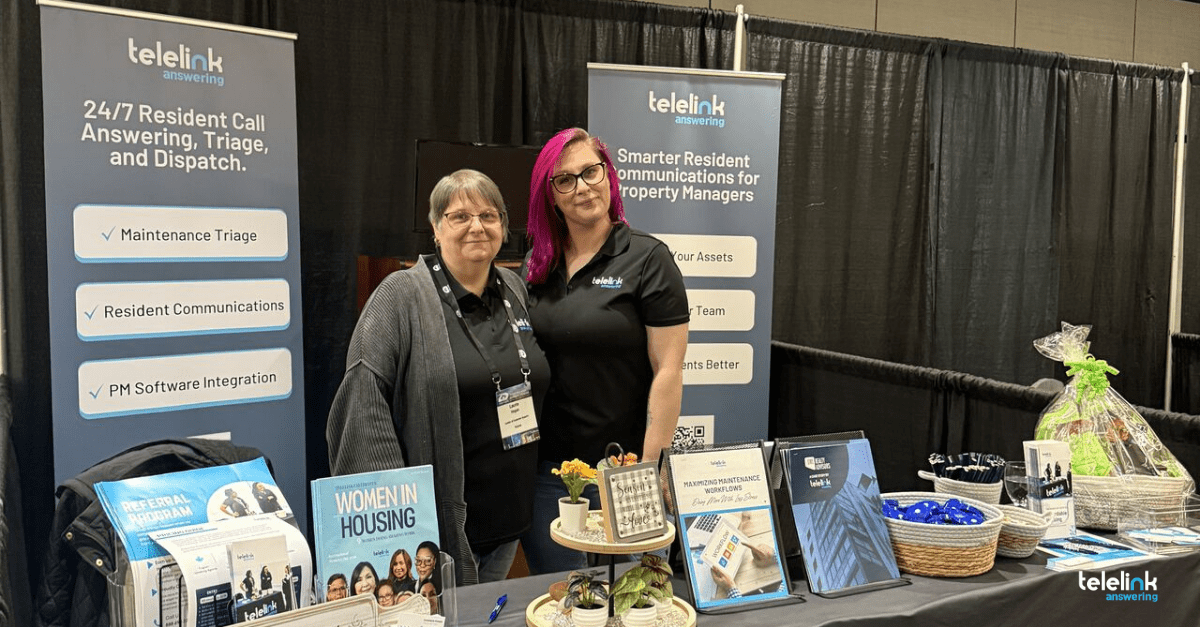
Being in those rooms, hearing directly from housing leaders, reinforced why this work matters. Our team also loved exhibiting at the trade show and connecting with so many affordable housing providers, people whose commitment to their communities was impossible not to admire.
At Telelink, we work alongside those leaders every day, supporting the after-hours calls, maintenance triage, and resident communication that keeps housing operations running smoothly.
If your team is carrying more than it should be, we would love to partner with you on reducing that pressure.
About Telelink
Telelink is Canada's leading answering service partner for Affordable Housing Providers who value resident relationships. Our specialized Property Management division understands the unique realities housing teams navigate every day, from maintenance triage and after-hours communication to resident support and operational overflow.
Our scripting process is built around industry best practices and tailored to your workflow. Every script is designed to separate urgent and non-urgent calls while capturing every critical detail and minimizing unnecessary follow-ups. The result? Less stress for staff and a smoother experience for residents.
Want to see how housing providers are streamlining maintenance workflows and improving tenant satisfaction? Check out one of our Property Management case studies or download our Maximizing Maintenance Workflows guide.
Please note: Telelink is not a property management company. Telelink is a 24/7 call centre that specializes in servicing the property management industry. The opinions expressed in this article reflect our experience working with hundreds of property management and affordable housing organizations across Canada, conversations with industry subject matter experts, and our own informed perspectives built over 60 years in the industry. This content is not intended as regulatory or compliance guidance.