

When you answer thousands of conversations a day across several industries, you learn something quickly: people can tell the difference between a company that simply answers the phone and one that genuinely cares about the person on the other end of the line.
At Telelink, a Newfoundland-based contact centre that has handled 24/7 calls for businesses across Canada for more than 60 years, we have built an entire company around that difference. And interestingly, we think being from Newfoundland has a lot to do with it.
At almost every conference we attend, someone eventually says the same thing: "You Newfoundlanders are just... different." Usually they mean warmer, friendlier, and more patient. Which, in the customer service industry, is not a bad reputation to have.
So, we sat down with Sydney Ryan, Telelink's Co-CEO and second-generation owner, to talk about what makes a great call centre, how customer expectations are shifting, and whether East Coast culture quietly gives a service team an edge.
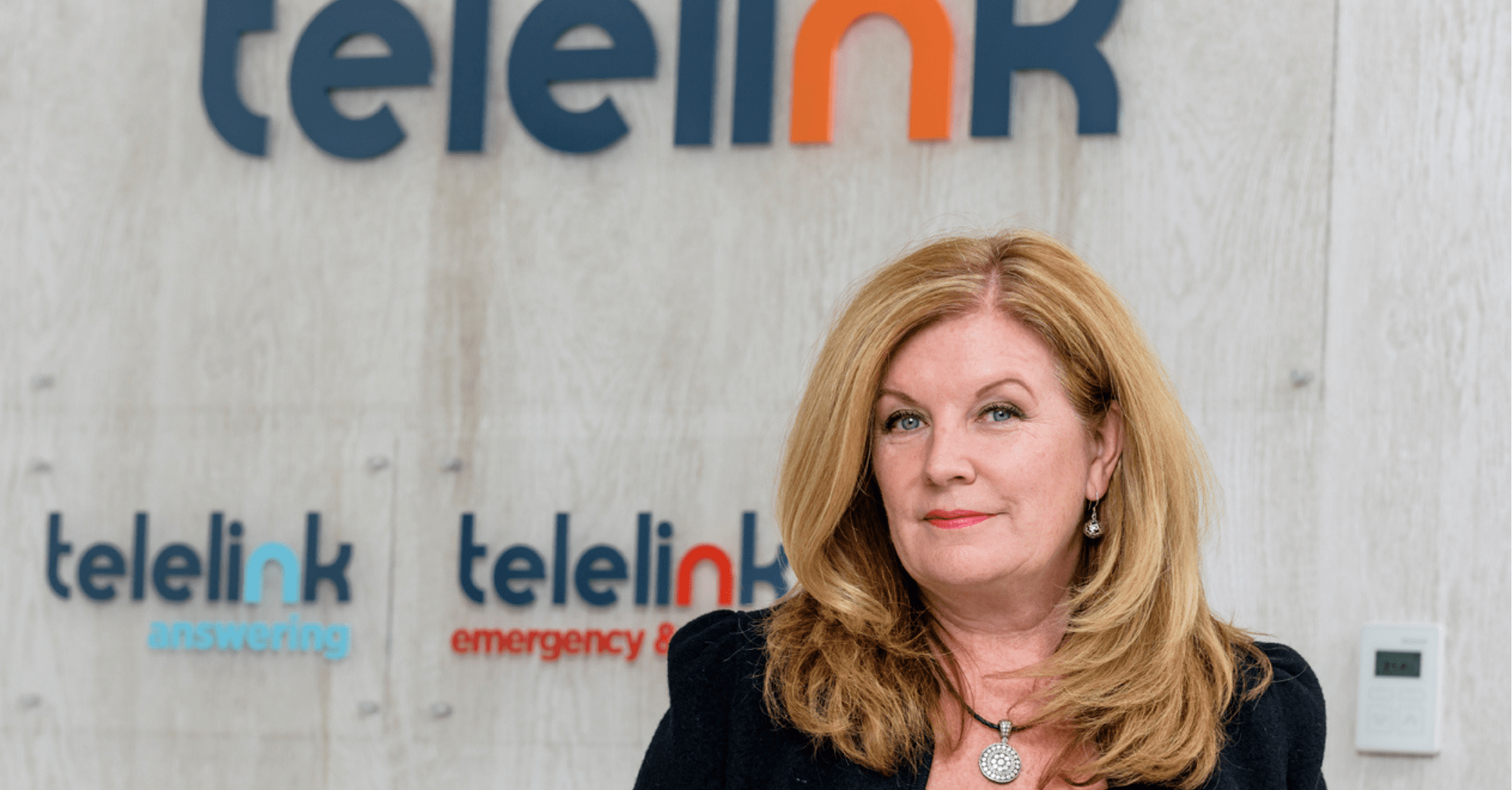
We expected to learn about customer service. What we got instead was a masterclass in resilience, leadership, and what it takes to build a business that lasts more than six decades. What started as a casual chat moved quickly through Telelink's history, from economic downturns and industry shifts to stormy nights when employees slept in the office to keep the lines open.
Along the way, we learned that longevity is rarely accidental, and that what keeps a business standing is not always what people expect.
We hope you enjoy this conversation as much as we did. It starts, fittingly, with a look back.
What Did a Call Centre Look Like 60 Years Ago?
"What do you think a call centre looked like 60 years ago?" Sydney asks. Then she paints the picture: women in full cotton dresses and pin curls, big metal headsets, large cord boards, pencils, and paper.
It is quite the image, especially set against where Telelink sits today, in the middle of an industry-wide conversation about AI in customer service. The tools have changed dramatically. The responsibility has not.
That responsibility was tested in 1992, when the cod moratorium hit Newfoundland and Labrador right as Telelink was moving off the old cord board system onto its first digital platform. The company had just made a major investment. The economy collapsed. And at the time, most of Telelink's customers were local, so the downturn hit close to home.
It could have been a breaking point. Instead, the company held on by doing the thing it now tells its clients to do: it stayed close to customers and kept the service running. That same resilience showed up again through snowstorms and COVID-19. During one major weather event, Sydney remembered Telelink being one of the only companies in St. John's still up and running. People slept in the lunchroom. Pizza boxes stacked up. Coffee was heated on propane stoves.
It is the kind of story that tells you more about a company than any brochure could.
Culture, But Not by Accident
That resilience did not appear out of nowhere. When we asked Sydney what contributed most to Telelink's reputation, she did not point to technology or the awards we've collected over the years. She started with culture, the thing that makes a team willing to sleep in the lunchroom for a customer in the first place.
"We owe a lot of our success to a decision we made many years ago: to really define what we wanted the culture to be," she said.
For Sydney, that did not mean inventing something from scratch. It meant paying attention to what was already in the business, including the values her parents believed mattered most, and choosing to protect and build on them.
Was it painstaking work to build a team where people genuinely want to come to work? Yes, she admitted. It takes intention and a leadership team willing to define culture not by what sounds good, but by what people are expected to live out every day.
She remembered a trip where she and Cindy Roma, her Co-CEO and business partner, scribbled out the core values they wanted for Telelink on the back of a napkin. But the process did not end there. When they got home, they brought a team together and asked them to do the same exercise from scratch.
What came back surprised them, or maybe it didn't. Without seeing the napkin, the team landed on almost exactly what Sydney and Cindy had written. The values had not been on paper, but they were already being lived.
"We knew then that we had a good foundation to start with," Sydney said. The vision was going to resonate because, in a quiet way, the team was already living it.
But living your values and protecting them are two different things . That is where culture becomes more than words. It becomes the hiring process, the daily huddles, the way teammates recognize core-value behaviours, and the hard decisions too, including letting go of people who did not truly align with what the company was trying to protect.
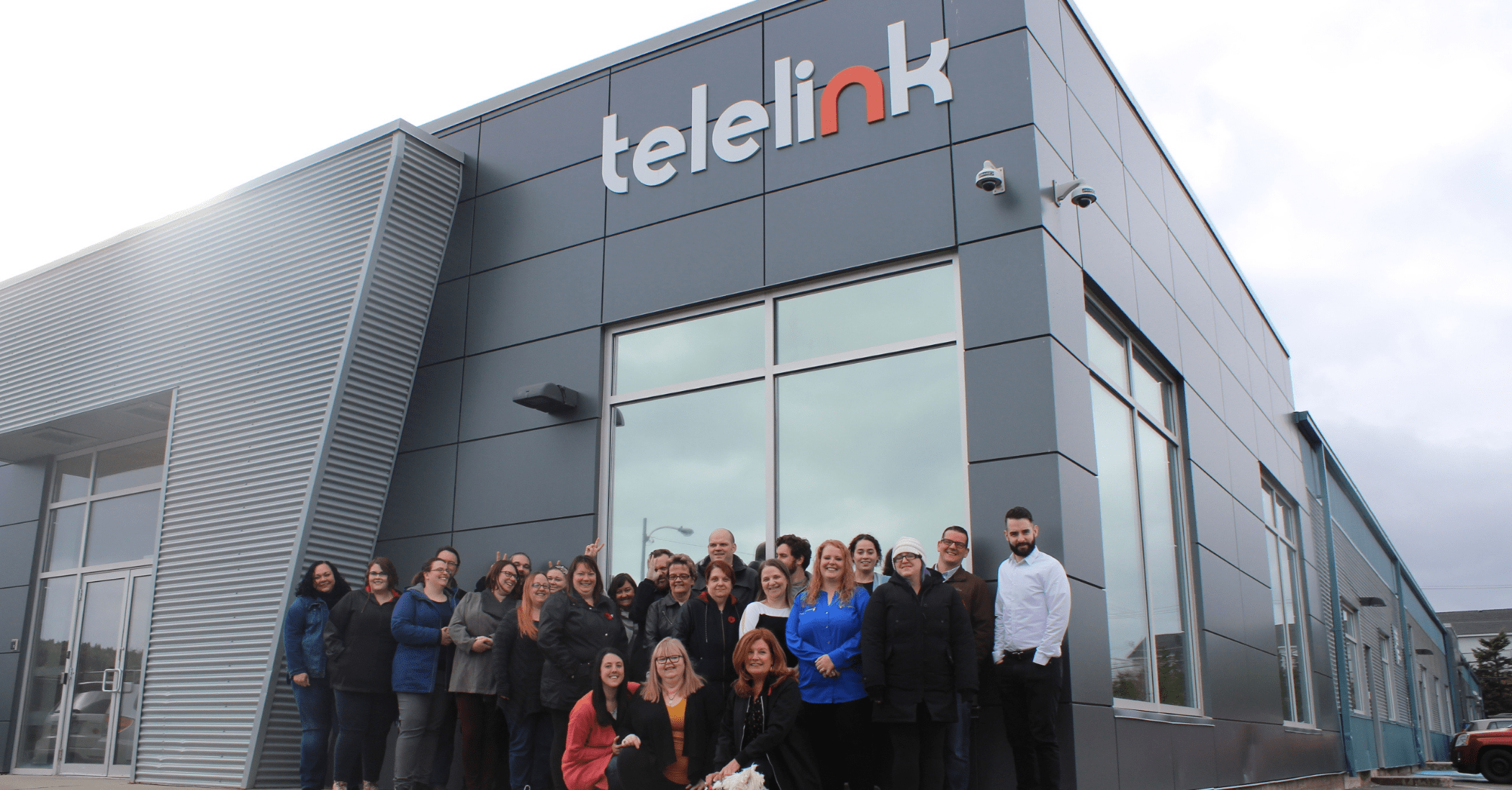
From the outside, the result can look effortless: people who stay 25 or 35 years, and a workplace where words like family, support, and purpose do not feel forced. Listening to Sydney, you realize how much intentional leadership made that possible. "If employees are happy, then that will translate into quality service," she said. The way a company treats its people becomes the way its customers are treated.
Helping People See the Meaning in the Work
Part of protecting that culture is helping people understand the impact of what they do. "Twenty-five, thirty years ago, you tell somebody you worked in a call centre, that's not very aspirational," she said.
From the outside, the work can look simple. Someone calls. Someone answers. A message is taken. But inside Telelink, leadership has had to help employees see the real weight of the conversations they are part of every day. That meant learning about the businesses Telelink represents, understanding why each call matters to the client, what outcome the client is trying to create, and what is at stake when someone reaches out.
That shift is what turned Telelink from a company that answers calls into a genuine service partner. The team is not just taking messages. They are helping property managers protect the resident experience, helping healthcare teams stay reachable, helping businesses keep promises to customers after hours, and helping the person on the other end of the line feel heard and reassured.
That kind of purpose changes how people show up, and Sydney sees it in the feedback. When eNPS responses come back with comments like "I love my Telelink family" or "It's the best place to work," that means something. For her, that is success. Not just the numbers, but people who understand why their work matters and keep showing up for reasons beyond a pay cheque.
Chalk and Cheese, in All the Right Ways
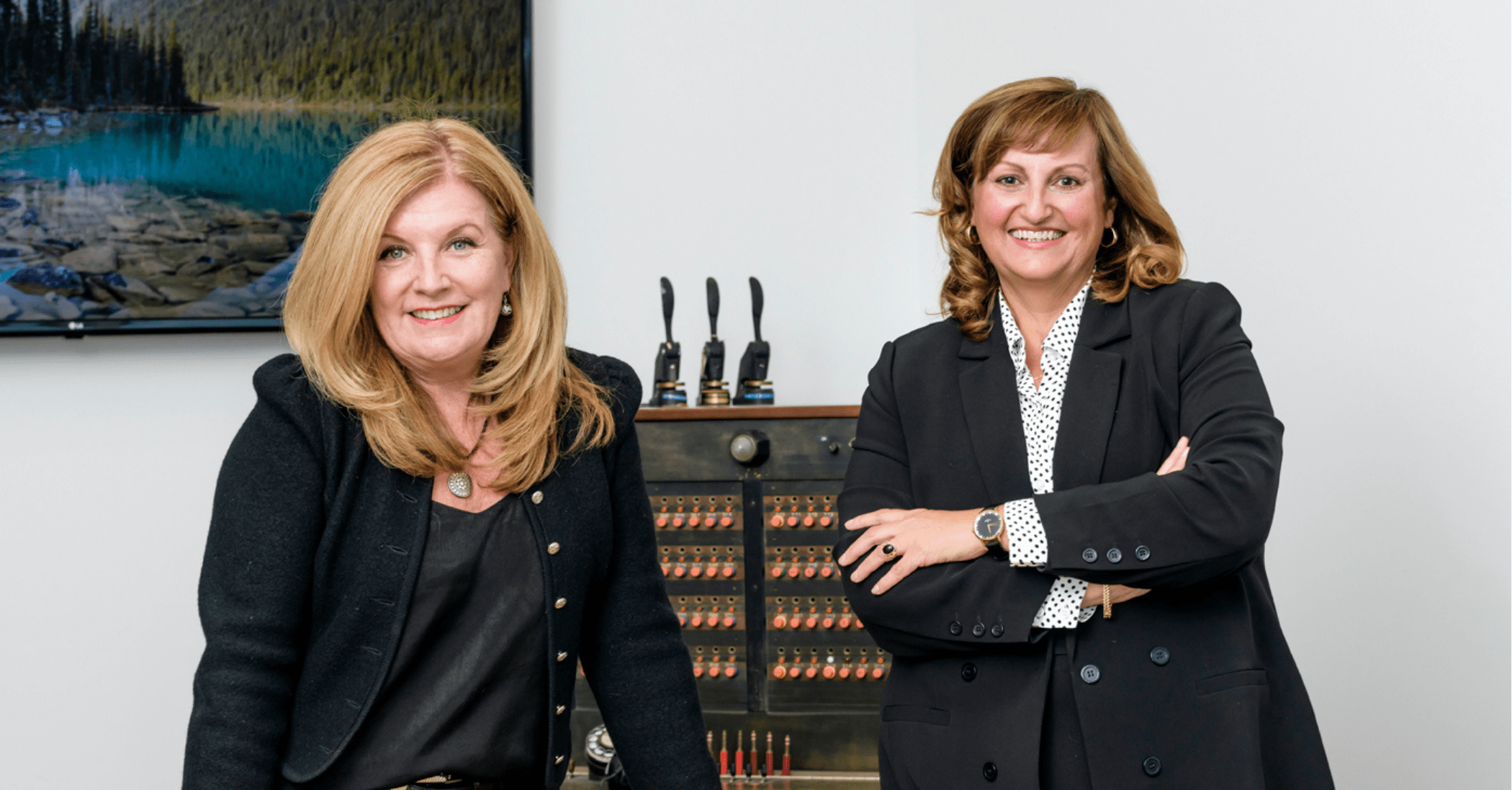
If culture holds the team together, partnership holds the leadership together. Sydney came back to her partnership with Cindy as one of the biggest reasons any of it works. "Finding a great business partner is very rare," she said. Then she described the two of them in a way that made us laugh, because anyone who knows them can picture it instantly. "We're like chalk and cheese in all the right ways. We're yin and yang."
They understood their different strengths from the beginning, and that clarity let them support each other without getting in each other's way. Sydney does not get heavily involved in operations. Cindy does not interfere when Sydney goes off on one of her entrepreneurial tangents: the "what about this?" ideas, product development, marketing, sales, the future-facing parts of the business.
"That's my jam," Sydney said.
Cindy, on the other hand, brings the structure. She is organized, detail-oriented, and operationally grounded. "And I'm none of that," Sydney said.
A company needs vision, but it also needs follow-through. Sydney and Cindy bring both.
So, What Is the Secret? (What Sydney Says Makes a Great Call Centre)
After hearing about resilience, culture, and partnership, we had to ask the obvious question. Is there a secret to running a great call centre?
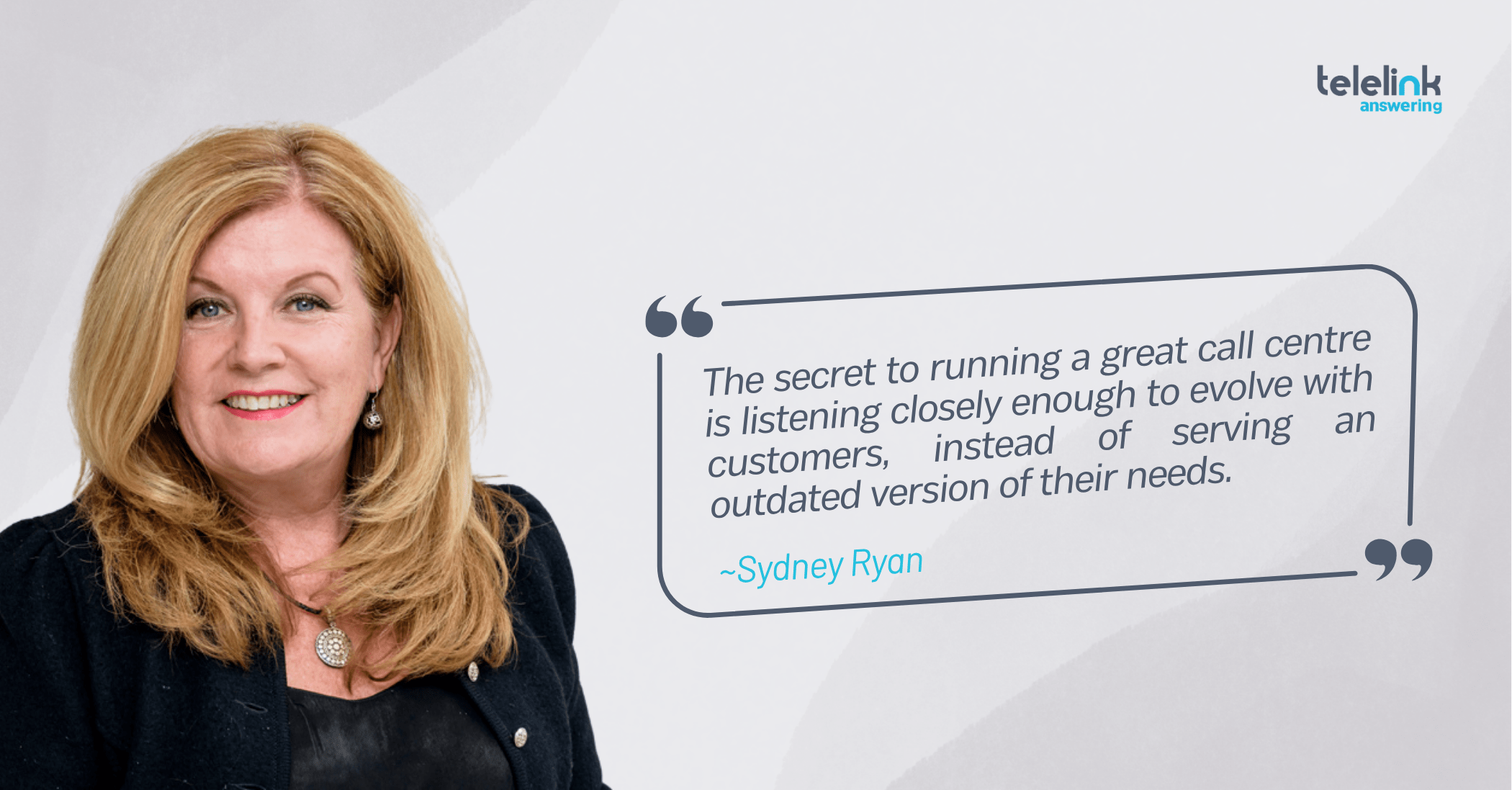
We expected her to land on culture again. Instead, she went somewhere else: listening. Not just to callers, but to customers, their industries, their pressures, and the way the market shifts around them. If you are not staying in tune with your customers and their challenges, she explained, you can miss what they actually need.
That has been a big part of Telelink's evolution from an answering service into a service partner. When you understand what matters to the business you represent, the call becomes part of a larger promise that business is making to its customers, residents, patients, tenants, or team.
First Impressions, Human Voices, and AI
When we asked what lesson every business could learn from call centres, Sydney's answer was simple: first impressions matter. A professional answer, available 24/7, tells the caller someone is there, that their concern has been received, that they are not being left in what Sydney called "a virtual box out there."
But she also pointed out something businesses overlook: after-hours service affects employees too. When tired staff get pulled back into calls on personal time, it takes a toll. Giving them a break is not just an operational decision, it is a customer experience decision.
Then there is the part no script can fake: compassion, empathy, and making someone feel their concern matters and that someone capable will act on it.
That is what makes the AI conversation so interesting. Over the past year, Telelink has talked with many customers about artificial intelligence, and it is striking how many still want the human voice. It is why the biggest strength of Telelink's AI offering is that the caller can always reach a human agent, even on an AI call path.
"It's a pretty crazy world we're living in, and it's a very isolated world," Sydney said. "Since COVID, an awful lot of people that became isolated are craving more human contact." Speaking to a real person used to feel like a given. Now people notice it. They are looking for connection, and proof that what they just shared will be acted on.
Final Thoughts
If there is one lesson here for any business, it is that great customer service is not accidental. It is built intentionally, through culture, through communication, and through people who understand that every call matters.
And maybe that is the real East Coast advantage after all. Not just friendliness, but the ability to make someone feel like there is a real human being on the other end of the line.
Want to give your customers that kind of experience around the clock? That is exactly what we do. Reach out to our team to talk about what 24/7 human-first answering could look like for your business.