

BCNPHA’s Housing Central 2025 was one of those conferences that stays with you long after the sessions end. Three days of back-to-back learning, hallway conversations, big questions, bold ideas, and a shared sense that the sector is standing on the edge of real change.
Across every room, you could feel the momentum: policy shifts, funding clarity, new ways of thinking, and a renewed commitment to the people at the heart of this work.
Here are five takeaways that stood out most, and why they matter for anyone shaping the future of affordable housing in Canada.
1. Clarity is leadership’s greatest gift
The funders’ panel was one of the most anticipated sessions of the conference for good reason. Since Build Canada Homes was launched in September 2025, housing providers across the country have had the same questions: What happens to CMHC programs? How will Build Canada Homes work? Will applications already submitted be affected?
This session finally brought some clarity, and you could feel the exhale of relief across the room.
A leadership reminder here: partial clarity is better than uncertainty. It’s a cue for all of us to keep giving our teams permission to ask questions until they truly understand the path ahead.
Here’s the simplified version of what we learned:
- CMHC isn’t disappearing. Programs like the Affordable Housing Fund aren’t being “moved” to BCH hurriedly: they’ll run their course while BCH ramps up.
- Existing applications will still be processed through CMHC.
- BCH will become the federal one-stop shop for affordable housing over time, but the details will roll out gradually, not overnight.
- Build Canada Homes’ $13B is new money, not pulled from existing CMHC or Indigenous funding.
- Scale matters, but not in a one-size-fits-all way. A 50-unit project can be just as meaningful as a 300-unit bundle depending on the community.
- BCH is taking a portfolio mindset, encouraging partnerships and regional collaborations over rigid thresholds.
That tone of transparency and adaptability set the foundation for the rest of the conference.
2. Innovation Happens When We Challenge Our Assumptions
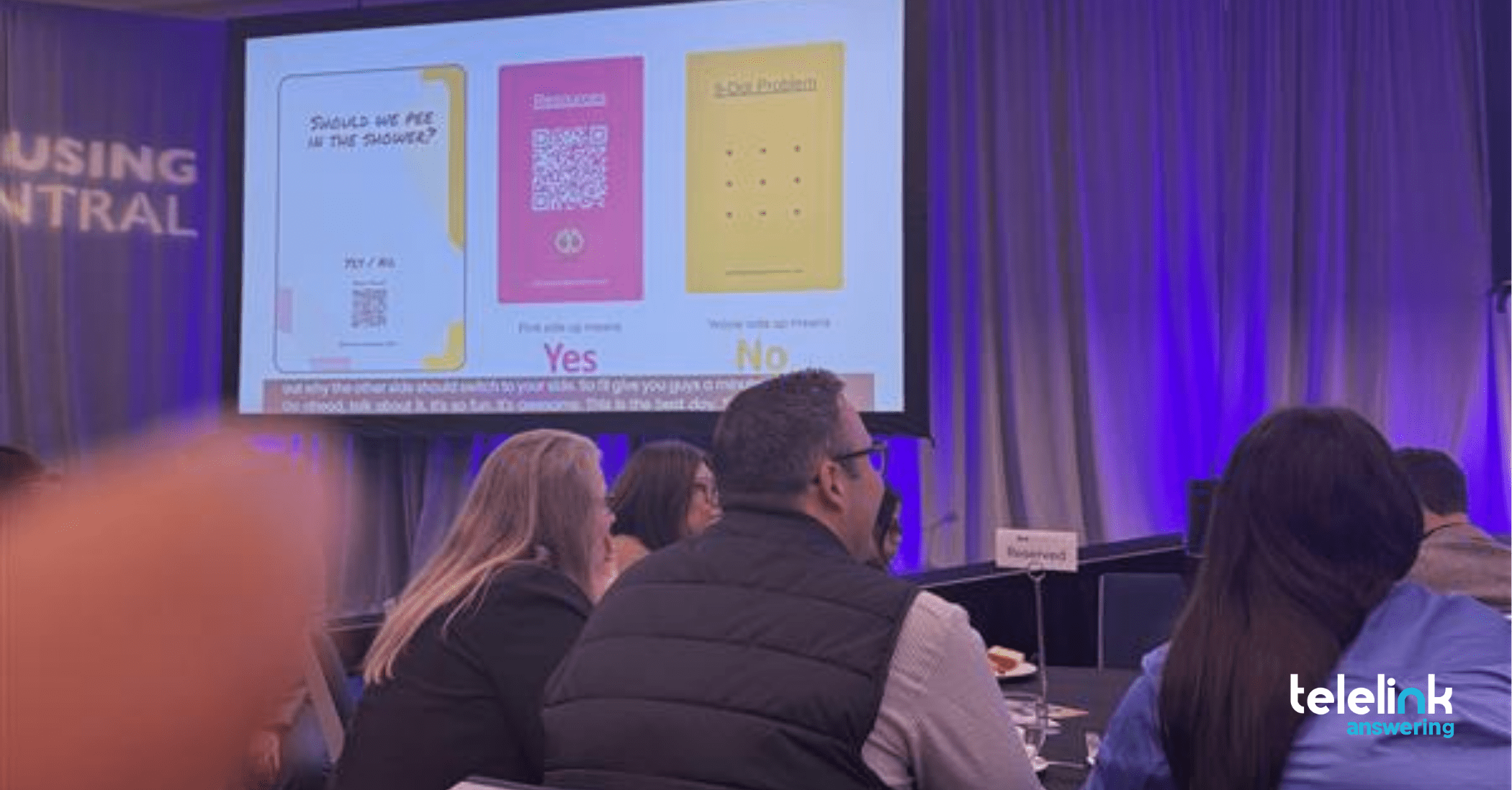
Anthony Morgan’s keynote on “Why We Disagree to Innovate” was easily one of the most energizing moments of the conference.
Beyond the humour, the science, and the monkey-money illusions, he made one point that landed deeply: We all have blind spots, and the only way to uncover them is by speaking to people who have different ones.
He even had the room debating real social scenarios, including the now-iconic “Is it okay to pee in the shower?” experiment, just to prove how quickly assumptions can divide us.
The takeaway? Innovation isn’t polite. It’s not tidy, and it’s not comfortable.
But disagreement handled with care is a superpower. Before people care about what you believe, they need to believe you care. And when you combine caring with curiosity, collaboration becomes easier, especially in a sector where the stakes are high and perspectives are wide.
What made this keynote powerful wasn’t just the message — it was the timing. The sector is in a season of transition: funding models shifting, demand rising, timelines tightening. If there was ever a time to challenge old assumptions, it's now.
Housing is complex. But innovation becomes possible when we stop defending our assumptions and start examining them.
3. When Policy Aligns with People, Progress Happens
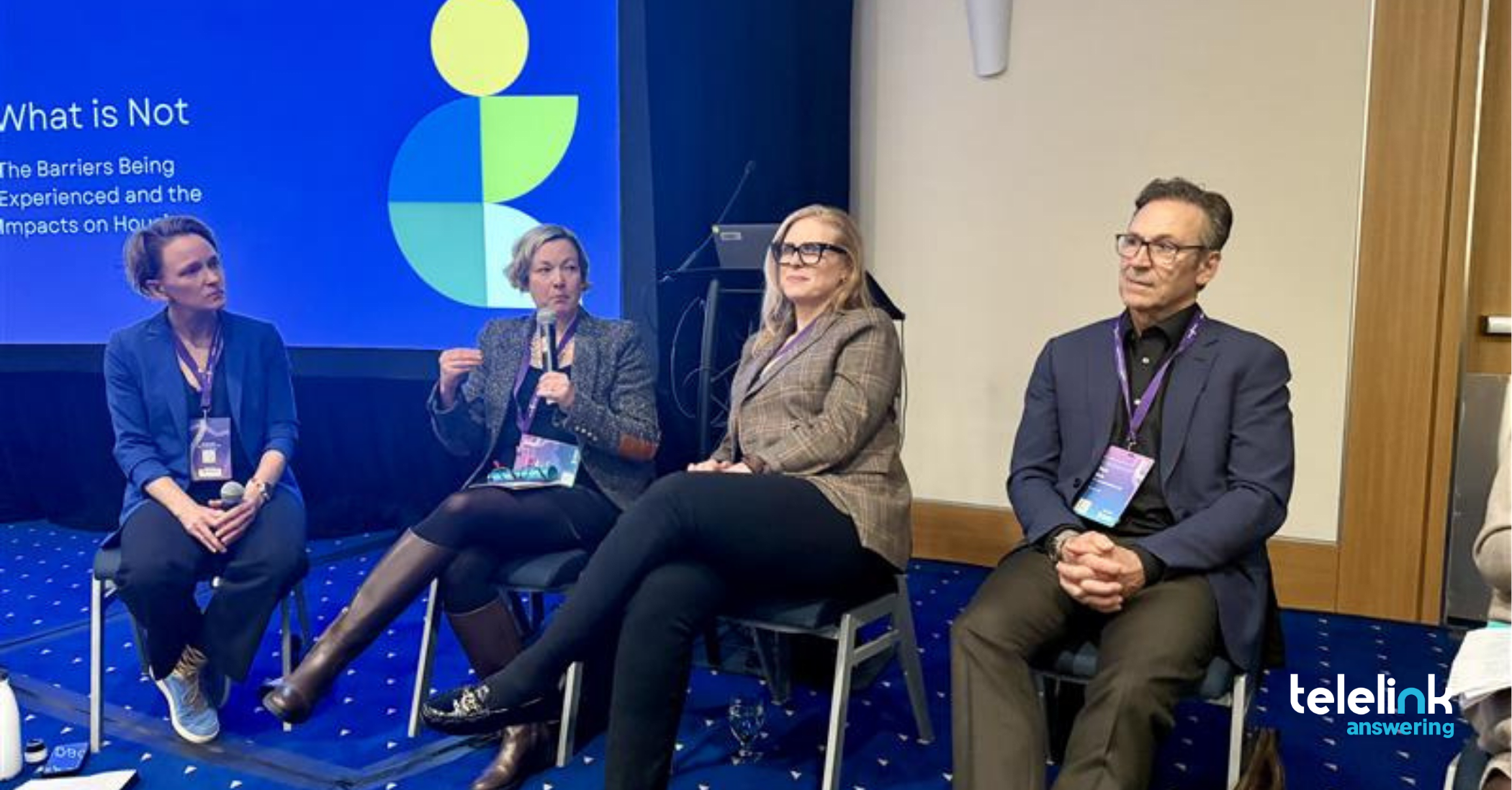
The “From Policy to Practice: What’s Working and What’s Not” panel was refreshingly honest.
They didn’t just focus on the pain points. They started by naming what’s working:
- Navigating the system is easier than it used to be.
- There are stronger frameworks to spend funds more efficiently.
- There’s more investment in supportive housing.
- Partnerships between government, operators, and communities are strengthening.
- Conflicting regulations slow down projects.
- Siloed policies pull teams in different directions.
- Perfection is becoming the enemy of affordability.
- Approval processes can still feel like obstacle courses.
The moment that stood out most was the reminder that protecting people must matter more than protecting policy.
Affordability suffers when rules get so complex that even the best-intentioned projects can’t move forward. The panel closed with a simple but powerful message:
The change we want starts with all of us. We need to simplify where you can, align where you must, and keep people at the centre of every decision.
The host ended the session by saying they would take these insights back to key players, not as complaints but as guidance. That tone of collective problem-solving gave the session real weight.
4. Clarity beats complexity: why Theory of Change matters more than ever
The Mutatio session reframed Theory of Change in a way that felt refreshing and actionable.
Instead of treating it like a formal document, they described it as a living guide — a clear explanation of how your work creates impact and a filter for making better decisions.
They challenged housing providers to pause and ask the real questions: What are we actually trying to achieve? What does meaningful impact look like? And what are the most effective ways to get there?
In a sector where policies shift, funding timelines change, and needs evolve quickly, that level of clarity isn’t a nice-to-have. It’s an anchor.
A strong Theory of Change gives teams direction, prevents mission drift, and helps everyone move with purpose instead of reacting to whatever shows up next. Mutatio encouraged teams to build a simple logic model, identify champions who can hold the vision, and check in quarterly instead of yearly.
The message was clear: If you don’t define your impact, the system will define it for you.
5. The Future Belongs to 10-Star Thinkers (and Innovation Isn’t Optional)
Jay Kiew closed the conference with a message that tied everything together.
He echoed what Harrison Mooney said in the morning plenary: Most people respond to disruption by changing what they do, not how they think.
But in a world where AI is reshaping entire industries, experience and expertise are more valuable than ever. Technology can accelerate work, but it’s human thinking that drives transformation.
Jay invited housing leaders to run the “10-star experience” exercise with their teams: the same approach that helped Airbnb reimagine travel.
Because if 5 stars is now the baseline, what would a 10-star tenant experience look like?
- Faster communication?
- More clarity during maintenance?
- Proactive check-ins?
- Better onboarding for new tenants?
That kind of 10-star thinking is what moves the sector forward. It’s also what truly communicates care.
This one hit home for us. At Telelink, we see every day how many of these seemingly small things, like clear updates, empathy, effective triage, and proactive communication, can completely shift a tenant’s experience and make a property manager’s job easier too.
Final Reflections
Housing Central 2025 was more than an industry event. It felt like a collective recalibration, a reminder of how far the sector has come and where it is headed next.
Hearing directly from housing leaders reaffirmed why continuous improvement, strong communication, and collaboration matter so deeply. Our team loved connecting with so many affordable housing providers whose commitment to their communities is nothing short of inspiring.
At Telelink, we are proud to support the organizations building better systems and stronger communities, one conversation at a time.
About Telelink
Telelink is Canada’s leading answering service partner for Affordable Housing Providers who value resident relationships. Our specialized Property Management division understands the unique needs of housing teams: from maintenance triage to after-hours communication and everything in between.
Our scripting process is built around industry best practices and tailored to your workflow. Every script is designed to separate urgent and non-urgent calls while capturing every critical detail and minimizing internal follow-ups. The result? Less stress for staff and a smoother experience for tenants.
Want to see how housing providers are streamlining maintenance and improving tenant satisfaction? Check out one of our Property Management case studies or download our Maximizing Maintenance Workflows guide.
Inside the guide, you’ll find real-world examples, a simple triage checklist, and practical strategies to reduce after-hours stress, protect your assets, and keep tenants happy, all while controlling costs.
Please note: Telelink is not a property management company. Telelink is a 24/7 call centre that specializes in servicing the property management industry. The opinions expressed in this article reflect our experience working with hundreds of property management and affordable housing organizations across Canada, conversations with industry subject matter experts, and our own informed perspectives built over 60 years in the industry. This content is not intended as regulatory or compliance guidance.